

2 November 2026 · 7 min read
Common yacht breakdowns: what to do during a charter
The engine will not start, the toilet stops working or water appears in the bilge? Learn how to respond safely, when to call the charter base and what to record after a breakdown.
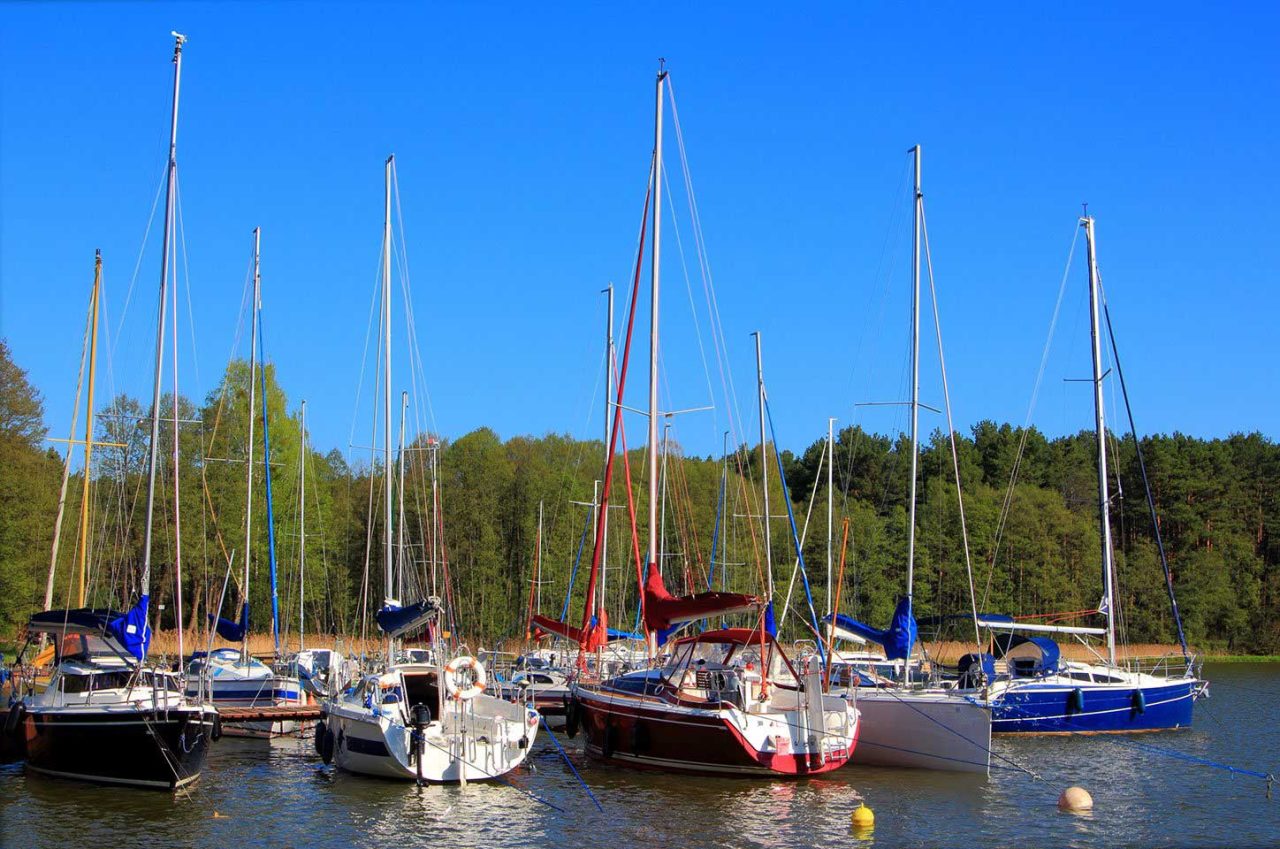
You are approaching a harbour, the crew are preparing the mooring lines and the engine suddenly stops. Your first task is to protect the people on board and keep the boat under control. Finding the fault comes next.
Charter problems can involve the engine, water system, toilet, batteries, steering or rigging. Some have a simple cause; others need professional assistance. If this is your first trip, also read our complete yacht charter guide.
What should you do if your yacht breaks down?
- Check whether anyone is injured and make sure the crew are wearing lifejackets appropriate to the situation.
- Assess your position, nearby traffic, wind and distance from shore. If you can manoeuvre safely, move away from danger. Anchor only where it is safe and permitted.
- Call the rescue services immediately if life is at risk, there is a fire or you cannot control water entering the boat. Do not delay this call while contacting the charter company.
- For a technical fault, contact the charter base. Give the boat name, location or GPS coordinates, number of people on board and the symptoms you have noticed.
- Check only the basic controls covered at handover. Do not dismantle the engine or installations, and do not continue if you are unsure that the boat is safe.
- Once the situation is under control, take photographs and note the time. Agree the next steps with the base or rescue services.
Help in Masuria: in an emergency, call MOPR water rescue on 601 100 100, 984 or 112. Contact JachtyMazury.pl about a technical fault on +48 511 420 100.
Which systems can develop a fault?
Problems with engine starting, electrical power, the water pump and the toilet are often the first faults a crew notice. Wear can be a factor, as can an incorrectly closed fuel-tank vent, a line trailing astern or improper use of the toilet. The cause of an individual fault cannot be established without checking it.
Engine trouble: what to check and when to stop
On sailing yachts , you will find outboard or inboard engines, depending on the boat. At handover, ask for a demonstration of starting, stopping and checking the cooling system.
The engine will not start
- Check the fuel level and make sure the correct tank is selected.
- Check the throttle control: starting usually requires neutral.
- Make sure the engine cut-off cord is correctly attached, if fitted.
- For an engine with a portable tank, check the fuel connection and vent as demonstrated at handover. Use the primer bulb only as instructed.
- Note the starter response and warning lights. Avoid repeated long starting attempts that can drain the battery.
If you smell fuel or see a leak, stop trying to start the engine. Keep flames away, do not smoke or create sparks, and contact the charter base. A smell of petrol is not enough to conclude that the engine is merely flooded. Call the emergency services if there is a fire risk.
Overheating or loss of cooling
Stop the engine if the temperature alarm sounds or the cooling-water tell-tale stops flowing on an engine fitted with one. A blocked intake, water pump or another cooling-system component may be responsible. Do not restart it simply to test it or replace the impeller yourself. Report the symptoms and follow the instructions for that boat.
A line or weed around the propeller
Sudden vibration, loss of thrust or an unusual noise may indicate a fouled propeller or damage to the drive. Stop the engine and secure it against accidental starting. Do not try to free the propeller by repeatedly changing gear. Do not enter the water beneath the boat or reach towards a propeller that could start turning. Agree a safe inspection with the base; an inboard installation may require professional assistance.
Water in the bilge, toilet faults and electrical problems
Water in the bilge
Check the bilge as demonstrated at handover. Do not assume that a small amount of water is always harmless. If the level is rising, operate the bilge pump as instructed and report the problem. Do not dismantle hoses or seals. Rapid flooding, an ineffective pump or loss of stability requires an immediate call to the rescue services.
A blocked toilet or full holding tank
Never put wipes, sanitary products or food into a marine toilet. Rules for toilet paper depend on the installation, so check them at handover. If the toilet blocks, do not force the pump or use household drain cleaners. Report the fault and empty the holding tank only at a designated harbour pump-out station.
A flat battery or an electrical circuit that has tripped
Battery endurance depends on capacity, charge level and the equipment in use. Reduce unnecessary consumption at anchor and watch the indicators. If a device stops working, check the main switch and the circuit protection shown at handover. Never bypass a fuse or fit a higher rating. Report repeated tripping, a burning smell or hot wiring immediately.
On motorboats , also learn the operating limits of the thrusters and their power supply. Add a head torch and a power bank to your sailing-trip packing list.
Grounding, steering and rigging
After running aground, do not try to power off at full throttle. Check the crew, inspect the bilge and contact the base. Whether it is appropriate to lift the centreboard, rudder or engine depends on the boat and conditions. Do not automatically heel the boat by moving the entire crew to one side. After refloating, the hull must be checked again for leaks and the steering for proper operation.
Before passing bridges on the Great Masurian Lakes Trail , follow the mast-lowering procedure demonstrated for your boat. The number of people needed and the sequence depend on the mechanism. Do not force jammed lines or a furling system. If rigging or a sail is damaged, reduce the load only if it is safe and ask the base whether the trip can continue.
Damage or a collision: what should you record?
First help anyone who needs assistance and make the scene as safe as possible. Prepare the record afterwards. Note the date, time, location, boat names and identification, skipper and witness details, a factual account and visible damage. Add photographs and record any differences between the accounts. Do not sign a description you disagree with.
Report the incident to the charter company. Contact the appropriate authorities if anyone is injured, there is danger, a suspected offence or a dispute requiring intervention. A report signed by the crews does not replace any required notification or the decisions of the police or relevant authority.
Who pays for damage during a yacht charter?
Not every fault leads to a deduction from the security deposit. Settlement depends on the cause, the charter agreement and the insurance terms. Normal wear must be distinguished from damage caused by improper operation. A torn sail or engine failure alone does not establish the crew’s liability.
If you have deposit insurance, check its cover, exclusions, excess and notification deadline. Keep the incident record, photographs and correspondence with the charter company. Report a fault promptly, even if it does not prevent you from continuing the trip.
What should you check at handover?
- Engine starting and stopping, fuel, cooling and warning indicators.
- The bilge condition and bilge-pump operation.
- The toilet, water pump, valves and holding-tank pump-out procedure.
- Batteries, shore charging, main switches and circuit protection.
- Steering and, on a sailing yacht, the centreboard, sails, rigging and mast-lowering system.
- The anchor, mooring lines, fenders and location of life-saving and firefighting equipment.
- Existing scratches, damage and missing equipment, recorded in the handover report and photographed.
- The base contact number and procedure for reporting problems during the charter.
Do not rush the briefing, even if you have experience on other boats. For a licence-free charter in Masuria , pay particular attention to manoeuvring, operating the systems and the boat’s limitations. Also remind the whole crew of the key safety rules.
Frequently asked questions about yacht breakdowns
What if the engine stops during a manoeuvre?
First keep the boat under control and protect the people on board. If conditions allow, move clear of the obstruction or anchor somewhere safe. Then report the fault to the base. Call rescue services if there is immediate danger.
Can I repair a charter yacht myself?
Carry out only the operating checks demonstrated at handover and agreed with the base. Leave engine, installation and drive repairs to professionals. Do not enter the water to free a propeller.
Is every breakdown charged against the deposit?
No. The cause, agreement and insurance terms matter. Report the fault promptly and document the symptoms rather than assuming who must pay.
Which number should I call for help in Masuria?
In an emergency, call MOPR on +48 601 100 100, or dial 984 or 112. Report technical faults to the charter base; the JachtyMazury.pl number is +48 511 420 100.
Emergency contact information: Masurian Volunteer Water Rescue Service (MOPR).
Read on
- Yacht charter in September - is it a good idea? September is a good time to charter a yacht in Masuria. Most sailors will confirm this in private conversation, but less often turn it into an actual booking – because July and August seem the safer choice. Meanwhile, September in Masuria is quieter, cheaper and – for those who value sailing more than relaxing by the pool – simply more about sailing.
- A week-long sailing trip in Masuria - three routes for 7 days A week-long cruise in Masuria is a good way to see the different sides of the region – from large harbours and popular towns to quiet lakeside moorings and wild bays. You can see a lot in 7 days. It is worth planning each day, taking into account the weather, your own abilities and how much time you want to spend sailing.
- Great Masurian Lakes Trail - what should you know? The Great Masurian Lakes Trail is a system of more than twenty lakes connected by canals, where you can sail for an entire week without repeating the same route. It is open to sailing yachts and motorboats, as well as larger passenger vessels operating on the inland waterways. It is one of the most extensive waterway systems in this part of Europe.
Picked your dates?
See which yachts are available, or give us a call.


 English (UK)
 Polski